
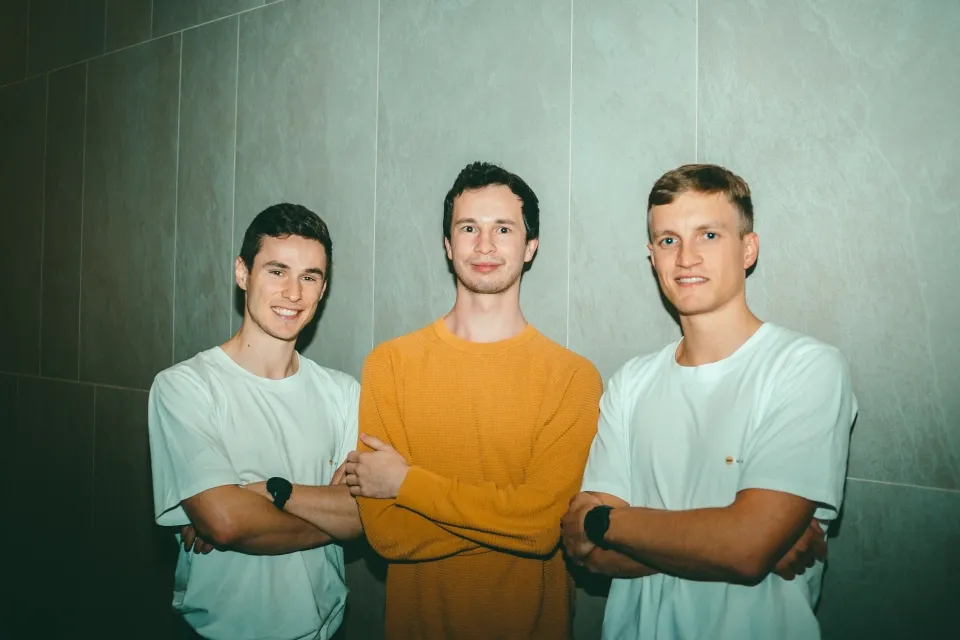
As part of the Diversity Scheck project, we supported the energy start-up Sonnnig in systematically integrating accessibility and plain language into their digital offering. Because we realized: if you want to distribute energy more fairly, you also need to design information and access points fairly.
Socially intended — but digitally not designed for everyone?
Sonnnig develops digital solutions to make meaningful use of surplus renewable energy. For example, companies can pass on excess electricity to households affected by energy poverty. The idea is clearly socially driven: share energy instead of wasting it. However, in collaboration with social service organizations, a crucial gap became visible. Many people affected by energy poverty face barriers when accessing digital services. The reasons are diverse: Energy topics are often explained using complex technical language. Content appears in long, nested blocks of text and assumes prior knowledge that cannot be taken for granted. Digital forms sometimes require familiarity with terminology or processes that may seem logical to professionals, but are not intuitive for users. For Sonnnig, this meant: if the goal is to distribute energy more equitably, then access to information and digital platforms must also be designed equitably. This is exactly where our consulting project began.
“Through our energy communities, we want to reach everyone. Especially when it comes to energy sharing, it is crucial that information and platforms are readable and accessible for all.”
Lukas Hückel, Sonnnig
What we focused on in our consulting project
As part of the project, we examined Sonnnig’s digital offering from an accessibility perspective. The first step was a comprehensive review. We analyzed how Sonnnig currently presents information and what linguistic demands their texts place on readers. This was not only about individual word choices, but about a fundamental question: for whom is this offering intuitively understandable, and for whom is it not? At the same time, we assessed the visual design. This included contrast levels, hierarchy in headings, and the use of icons and GIFs. Another central component of the project was exploring how Sonnnig can design future workshops and information sessions in ways that genuinely reach and actively involve diverse target groups. Together, we identified the conditions necessary to ensure that people with different levels of prior knowledge, language proficiency, or digital skills can participate on equal terms.
The project with Sonnnig shows: change begins with the willingness to look closely.
And it becomes effective when inclusion is systematically embedded in structures.
Thank you to the entire Sonnnig team for their trust and committed collaboration.